St. Petersburg Sliding Doors Repairs for Damaged Tracks and Rollers
St. Petersburg Sliding Doors Repairs for Damaged Tracks and Rollers
Blog Article
Maintaining Sliding Doors for Effortless and Functional Use
Sliding sliding panels play a significant role in boosting both accessibility and aesthetic appeal in homes. Still, they can encounter various issues that hamper their functionality. Off-tracking, worn sliding wheels, and debris in the tracks are typical problems. Regular maintenance is crucial to assure smooth operation. Homeowners should be aware of these evidence of wear and how to deal with them effectively. Understanding the fundamental causes can bring about more effective solutions. What steps should be taken to maintain these essential features?
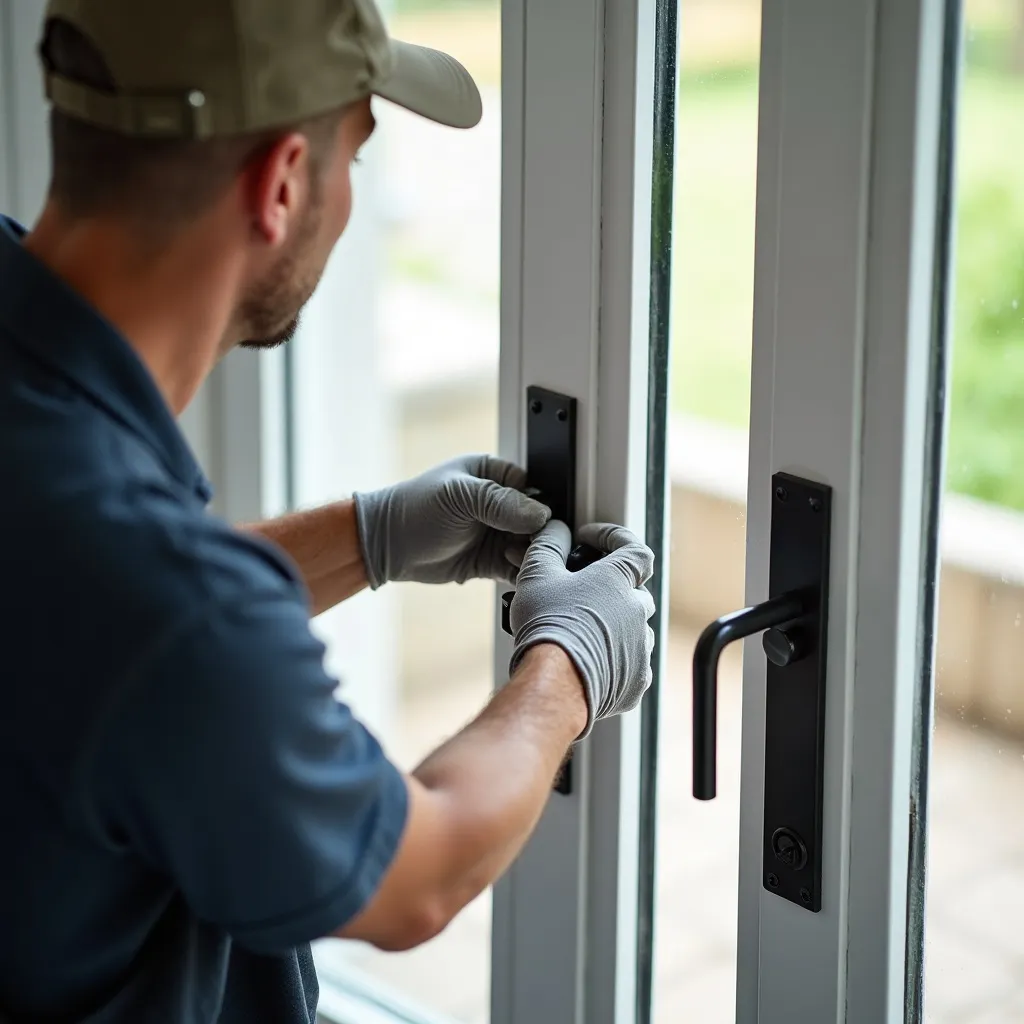
Prevalent Problems With Sliding Doors You Need to Know
Sliding doors, while stylish and convenient, often encounter a variety of typical problems that can interfere with their operation. One common issue is improper alignment, which can cause the door to stick or become difficult to open and close. Accumulation of dirt and debris in the track can worsen this problem, leading to further functional difficulties. Additionally, damaged rollers may impede fluid motion, resulting in a jerky or uneven sliding action.
A routine issue is worn channels, which can occur due to impact or prolonged wear, rendering it difficult for the door to glide effortlessly. Weather stripping may also degrade over time, reducing energy efficiency and allowing drafts. Finally, locks can malfunction, affecting safety. Knowing about these issues is essential for quality upkeep and timely repairs, ensuring sliding doors remain both operational and visually attractive.
Comprehensive Step-by-Step Directions for Realigning Your Sliding Door
A well-set sliding door is essential for easy operation and security. To realign a sliding door, one should start by looking over the door's tracks for debris or obstructions. Cleaning the tracks promises that the door can glide without resistance. Next, inspect the door's rollers for wear and tear, because damaged rollers can alter alignment.
Using a tool, adjust the level of the rollers; turning the adjustment screws can raise or drop the door. After adjustments, gently slide the door back and forth to test its movement. If the door still does not fit properly, further adjustments may be necessary.
Finally, verify that the door is seated evenly within the frame. This process may require several iterations to achieve the optimal positioning. Regular maintenance of the door and its parts will help prevent future misalignment, guaranteeing long-term functionality.
Instructions for Changing out Compromised Rollers and Tracks
During the upkeep of sliding doors, detecting deteriorated rollers and tracks remains essential for obtaining smooth operation. Signs of deterioration can feature trouble sliding or visible damage affecting the components. Accurately replacing these parts improves both functionality and increases how long the door system lasts.
Detecting Weakened Rollers
Spotting worn-out rollers is vital for ensuring the performance of sliding doors. Over time, rollers can wear down due to continuous friction and exposure to dirt and moisture. Indicators of wear include difficulty when opening or closing the door, uneven movement, or visible damage like cracks or chips. A visual inspection of the rollers can reveal inconsistencies; they should rotate smoothly without resistance. Moreover, looking for debris accumulation in the track can aid in evaluating whether the rollers are operating well. If the rollers look damaged or don't move smoothly, replacing them is needed to restore full functionality. Quick identification and corrective measures help prevent more complications and extend the sliding door system's lifespan.
Replacing Tracks the Right Way
Worn-out rollers often suggest that the tracks of sliding doors may also need attention. To replace tracks correctly, one must first take out the sliding door by hoisting it out from the bottom. Next, the old tracks should be unscrewed and taken out cautiously. Sanitizing the area where the new tracks will be installed is essential to ensure smooth operation. When choosing replacement tracks, it is vital to choose the correct size and type that matches the door system. After placing the new tracks, they should be firmly fastened with screws. Finally, the door can be reinstalled by matching the rollers with the new tracks, making sure everything operates smoothly. Consistent maintenance can extend the life of both rollers and tracks.
Fixing Gaskets and Weatherstripping
Restoring weatherstripping and seals is critical for sustaining the energy efficiency and comfort of sliding doors. The quality of these structures prevents drafts, pest entry, and moisture intrusion, making their maintenance a priority for homeowners. Opting for the best weather stripping products boosts durability and effectiveness in closing gaps.
Relevance Of Seal Integrity
Seal integrity holds an key role in the overall success of sliding doors. Properly functioning seals maintain energy efficiency by preventing air leaks, which can lead to higher heating and cooling costs. Additionally, they protect the interior from water vapor, dust, and pests, securing a more welcoming living environment. When seals are broken, it can result in water damage, mold growth, and wear of the door's components. Periodic checking and maintenance of weatherstripping and seals are crucial for sustaining their effectiveness. A well-maintained seal not only pertains to the longevity of the sliding door but also enhances its aesthetic appeal. As a result, prioritizing seal integrity is vital for any homeowner seeking reliable and efficient sliding door operation.
Deciding on Weatherstripping Supplies
When selecting weatherstripping materials, property owners should assess factors such as durability, insulation properties, and compatibility with their specific sliding door design. Common materials include foam, vinyl, and rubber, each presenting unique benefits. Foam is lightweight and offers good insulation, while vinyl is resistant to moisture and wear. Rubber, known for its longevity, offers excellent sealing capabilities. It's essential to accurately measure the door's dimensions to guarantee a proper fit. Homeowners should also examine local climate conditions, as some materials perform better in extreme temperatures. Ultimately, the right weatherstripping not only enhances energy efficiency but also supports smoother operation and extends the lifespan of sliding doors, helping to maintain a comfortable home environment.
Tools Necessary for Sliding Door Fixes
Procuring the right implements is vital for successful sliding door restoration. A core set of tools should incorporate a set of screwdrivers, featuring both flathead screwdriver and Phillips varieties, to remove and adjust screws. Pliers sets are vital for gripping and manipulating small parts. A utility blade helps with trimming weatherstripping and other materials exactly.
In addition, a level ensures that the door is properly aligned, preventing future operational issues. A measuring tape allows for precise measurements of door frames and openings. Lubricants, such as silicone spray, are vital for securing smooth operation after repairs.
If the door requires more substantial work, a hammer may be necessary for adjusting frames or copyrights. Finally, a sweeper or brush helps clear debris from tracks, guaranteeing optimal functionality. Having these tools readily available can significantly enhance the effectiveness and efficiency of sliding door repairs.
Preventive Maintenance Suggestions for Sliding Doors
To maintain sliding doors proactively is to greatly increase their lifespan and improve their functionality. Regular cleaning is vital; dirt and debris can build up in the tracks, resulting in operational difficulties. A basic method is to vacuum the tracks and wipe them down with a damp cloth. Applying a lubricant is another important factor; using a silicone lubricant on the rollers and tracks ensures smooth movement.
Furthermore, inspecting the rollers and tracks for wear and tear can avoid larger issues. Any indicators of rust or damage should be discussion addressed immediately. Checking the positioning of the door is also essential; misalignment can cause unnecessary strain on the system. Finally, confirming that the door seals are intact prevents drafts and heat escape, contributing to overall efficiency. By adhering to these preventative maintenance tips, homeowners can enjoy the seamless operation of their sliding doors for years to come.
When ought you reach out to a technician regarding pocket door complications?
Routine care can substantially decrease the probability of experiencing problems with sliding doors; however, various issues may still arise that require specialist assistance. Homeowners ought to consider seeking expert help when the door gets difficult to operate, as this often points to a misalignment or damaged track. Recurring noise during functioning, including grinding or scraping, can indicate issues with the rollers or hardware that may require specialized attention.
Furthermore, if the door does not seal properly, leading to drafts or water leaks, expert help is crucial to guarantee proper installation and prevent further damage. Cracks or breaks in the glass require immediate expert assessment to confirm safety and security. Ultimately, identifying these issues promptly can prevent more extensive repairs and ensure smooth, functional operation of sliding doors. Hiring an expert can provide the expertise and tools necessary for successful repair.
Frequently Asked Questions
How often Should I maintain My Sliding Door Tracks with lubrication?
Experts suggest oiling sliding door tracks every six months to ensure peak performance. Regular maintenance stops buildup of debris and wear, encouraging smooth operation and extending the lifespan of the sliding door mechanisms effectively.
Winter Maintenance for Patio Doors - Is It Practical?
Yes, sliding doors can be repaired in winter. However, cold weather conditions may impact materials and adhesives, potentially complicating the process. Proper precautions and suitable products can ensure effective repairs, despite the season.
Which Choices Are Optimal for Sliding Door Sealing Solutions?
Superior-quality materials for sliding door seals comprise silicone, rubber, and vinyl. These materials provide excellent insulation, durability, and weather resistance, ensuring effective sealing against drafts and moisture while maintaining smooth operation throughout the year.
Are there do-it-yourself solutions for loud sliding doors?
Yes, numerous DIY approaches are available for sliding doors that make noise. Lubricating rails, securing screws, and removing debris can significantly diminish noise. Moreover, modifying rollers or changing seals may better operation and decrease sound disturbances.
How Can I Prevent My Sliding Door From Sticking?
To avoid a sliding door from sticking, confirm the track is clean and debris-free, coat the rollers with spray lubricant, and examine for misalignment or damage that may require realignment or fixing.
Report this page